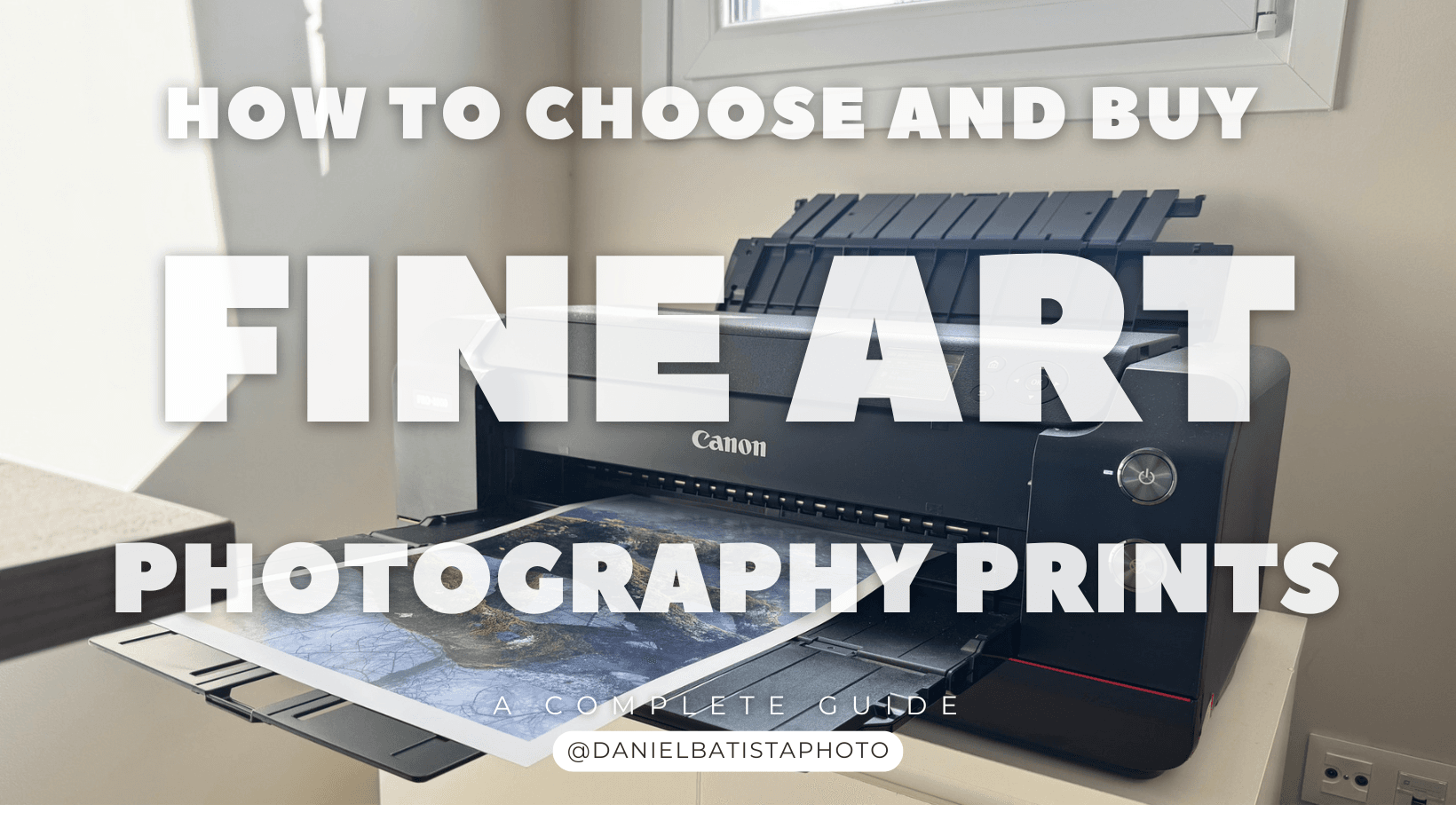
How to Choose and Buy Fine Art Photography Prints: A Complete Guide
There is a moment — standing in front of a photograph that has been printed with real intention — when you feel something shift. The image is no longer just a picture. It becomes a presence in the room, a window onto another world, a piece of an artist’s vision that you now carry into your daily life. That is what fine art photography prints can do when they are chosen carefully.
But choosing well requires knowing what to look for. With so many options available online — from mass-produced posters to genuine collector pieces — it can be difficult to know what separates a print worth owning from one that will disappoint you within a year. This guide walks you through everything you need to consider before buying, so that whatever you choose, you choose with confidence.
1- What Is Fine Art Photography?
The term “fine art photography” is used loosely, so it is worth clarifying what it actually means. Fine art photography is photography created as an artistic expression rather than for purely commercial or documentary purposes. The photographer makes intentional decisions about light, composition, mood, and subject — not just to record what was in front of the lens, but to communicate something felt or imagined.
Landscape photography, when done at this level, goes far beyond travel snapshots. A fine art landscape photographer returns to the same location dozens of times, waiting for the exact quality of light, the precise season, the conditions that transform an ordinary hillside or coastline into something extraordinary. The resulting image carries all of that patience and intention.
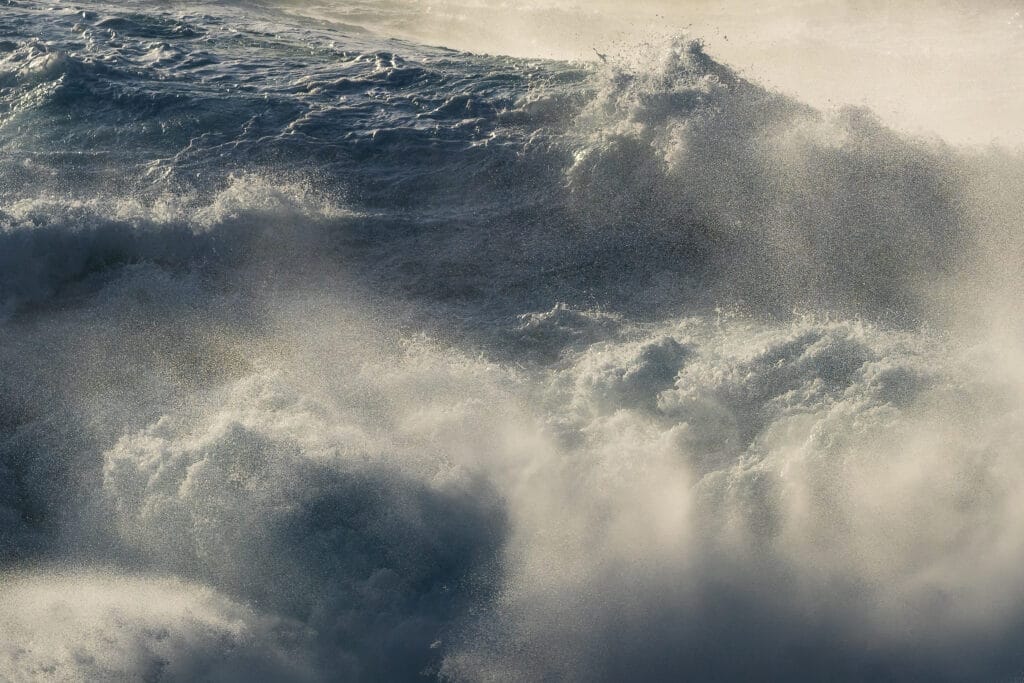
When that image is then printed with the same level of care — on archival materials, with colour management, with attention to how the tones will render on paper — you have a fine art photography print in the truest sense of the word.
2- Paper and Material Quality: Why It Matters More Than You Think
The substrate a print is produced on is not a minor detail. It is the foundation of everything you see, and it determines how long the print will remain beautiful.
Genuine fine art photography prints are produced on archival-quality papers — often cotton rag with no optical brighteners — using pigment-based inks. This combination can produce prints rated to last over a hundred years without significant fading.
- Paper specification: Acid-free, cotton rag or alpha-cellulose fine art paper.
- Ink type: Pigment-based inks offer significantly greater longevity than dye-based alternatives.
- Colour profile: The file should be colour-managed for the specific paper being used.
Every print at danielbatistaphoto.com is produced on museum-grade fine art paper using archival pigment inks — a print that honours the original image and will do so for generations.
3- Limited Edition Prints: Scarcity, Value, and Why It Matters
Many serious photographers sell their work as limited edition prints — each image printed only a fixed number of times. Once that edition sells out, no further prints are made.
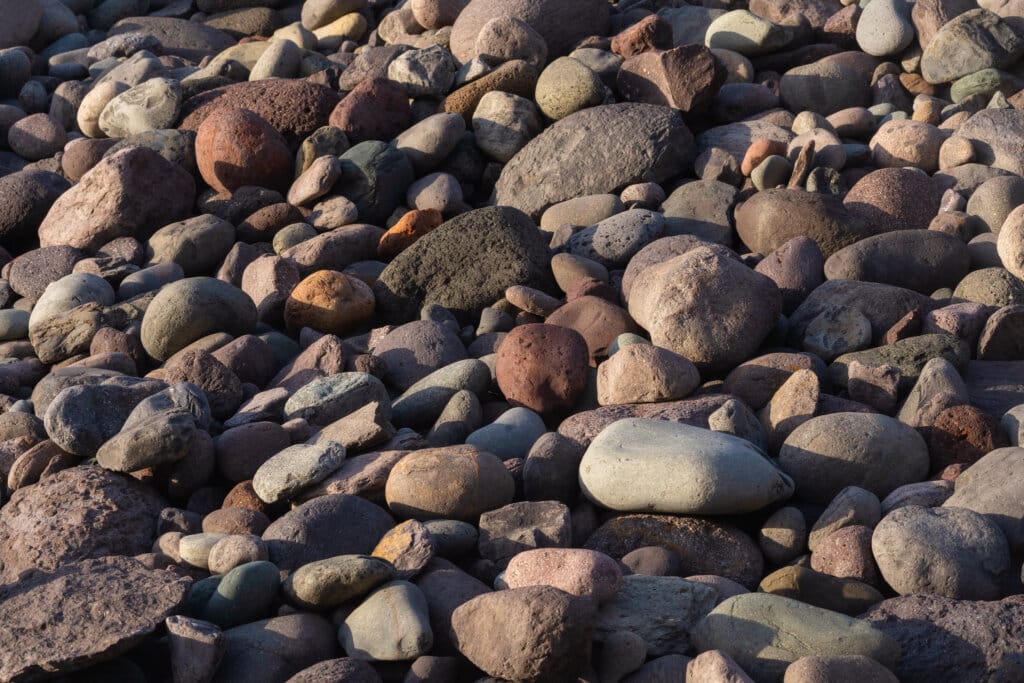
When you own a limited edition print numbered 4 of 50, you are one of only fifty people in the world who own that specific piece. Limited editions also tend to appreciate over time as an artist’s reputation grows, and they come with a level of accountability — the artist is putting their name to a finite commitment.
Always ask for a certificate of authenticity. This should include the edition number, total edition size, title, paper and ink specification, and the artist’s signature.
4- Choosing the Right Size for Your Space
One of the most common mistakes when buying landscape photography prints is choosing a size too small for the wall in mind. Some practical guidelines:
- Above a sofa or bed: aim for roughly two-thirds of the furniture’s width.
- High ceilings and feature walls: do not be afraid of large format — 90 × 135 cm or larger can be transformational.
- Corridors: a series of smaller prints in consistent frames works better than one large piece.
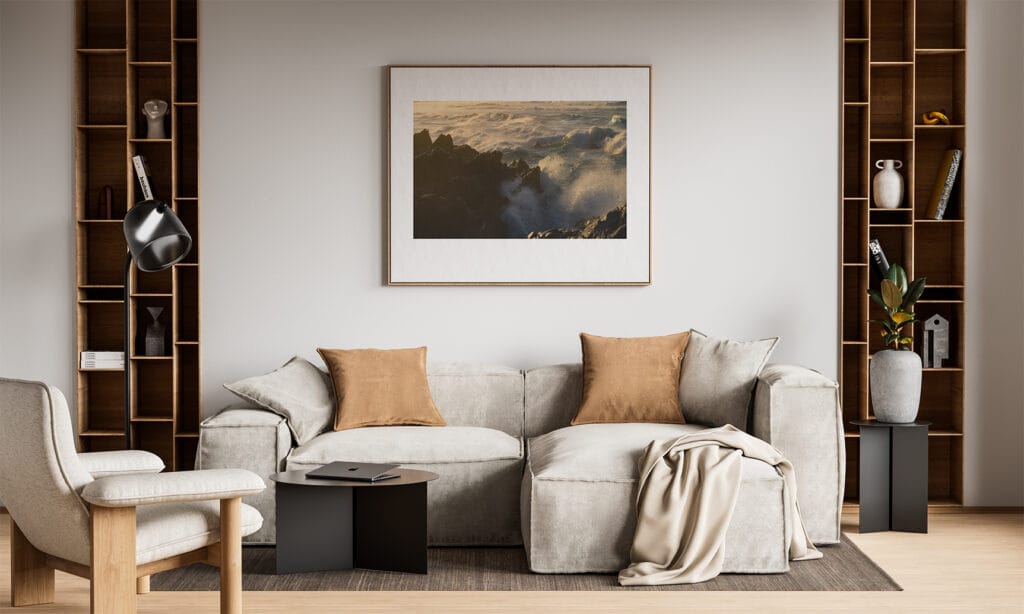
If uncertain, reach out to the photographer directly. A good artist is always willing to advise on what size works best for a given image and space.
5- Where to Display Fine Art Photography Prints
Where you hang a print matters as much as what you hang. For optimal longevity:
- Avoid direct sunlight — even archival inks fade faster under prolonged UV exposure.
- Avoid bathrooms and kitchens where humidity fluctuates, unless the print is behind UV-filtering glass.
- Maintain a consistent indoor temperature — extreme seasonal changes can warp paper over time.
Living rooms, dining rooms, home offices, and bedrooms are the most natural homes for landscape photography prints — spaces where you will spend time with the image and allow it to work on you quietly.
6- Questions to Ask Before You Buy
- Is this a limited edition? What is the edition size and what number is available?
- What paper and inks are used? Ask for the specific paper name.
- Does it come with a certificate of authenticity?
- Is the print hand-signed?
- How is it packaged for shipping? Flat-pack is preferable for small to medium sizes.
7- Fine Art Photography from Gran Canaria
My own work is rooted in Gran Canaria — an island of extraordinary contrasts. Within a few kilometres you move from volcanic desert in the south to ancient laurel forests in the north, from dramatic ocean cliffs to the sculpted dunes of Maspalomas. The light here is particular: warm, directional, and at certain times of year almost unbearably beautiful.
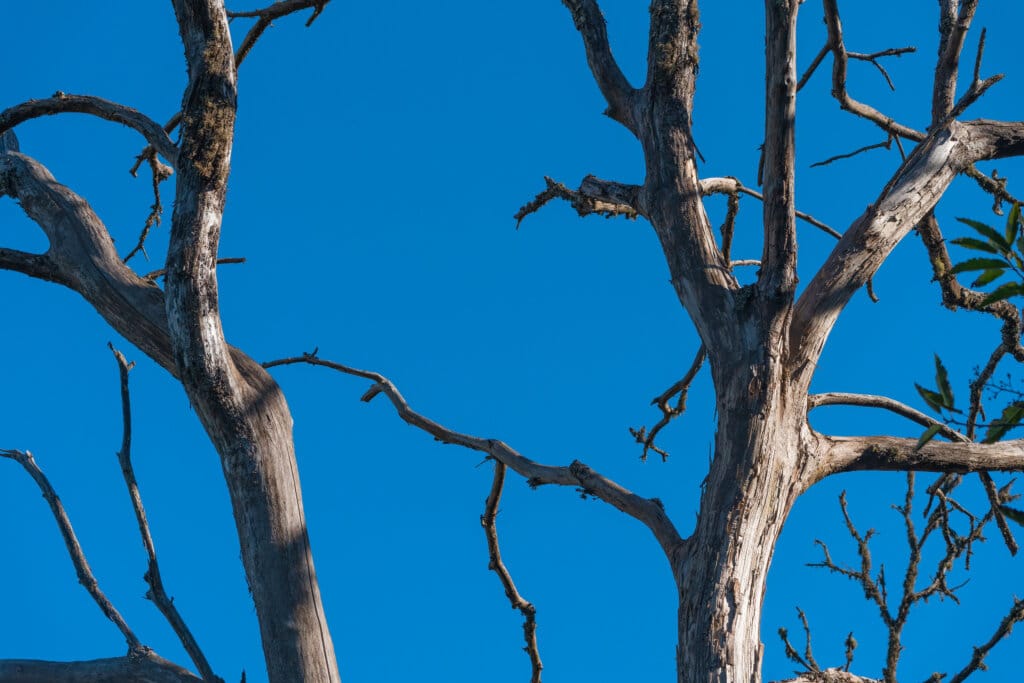
Every landscape photography print in my collection is made from images I have lived with for months before deciding they are ready to print. I work only with fine art papers and archival inks, every edition is strictly limited, and each print is hand-signed and numbered with a certificate of authenticity included.