
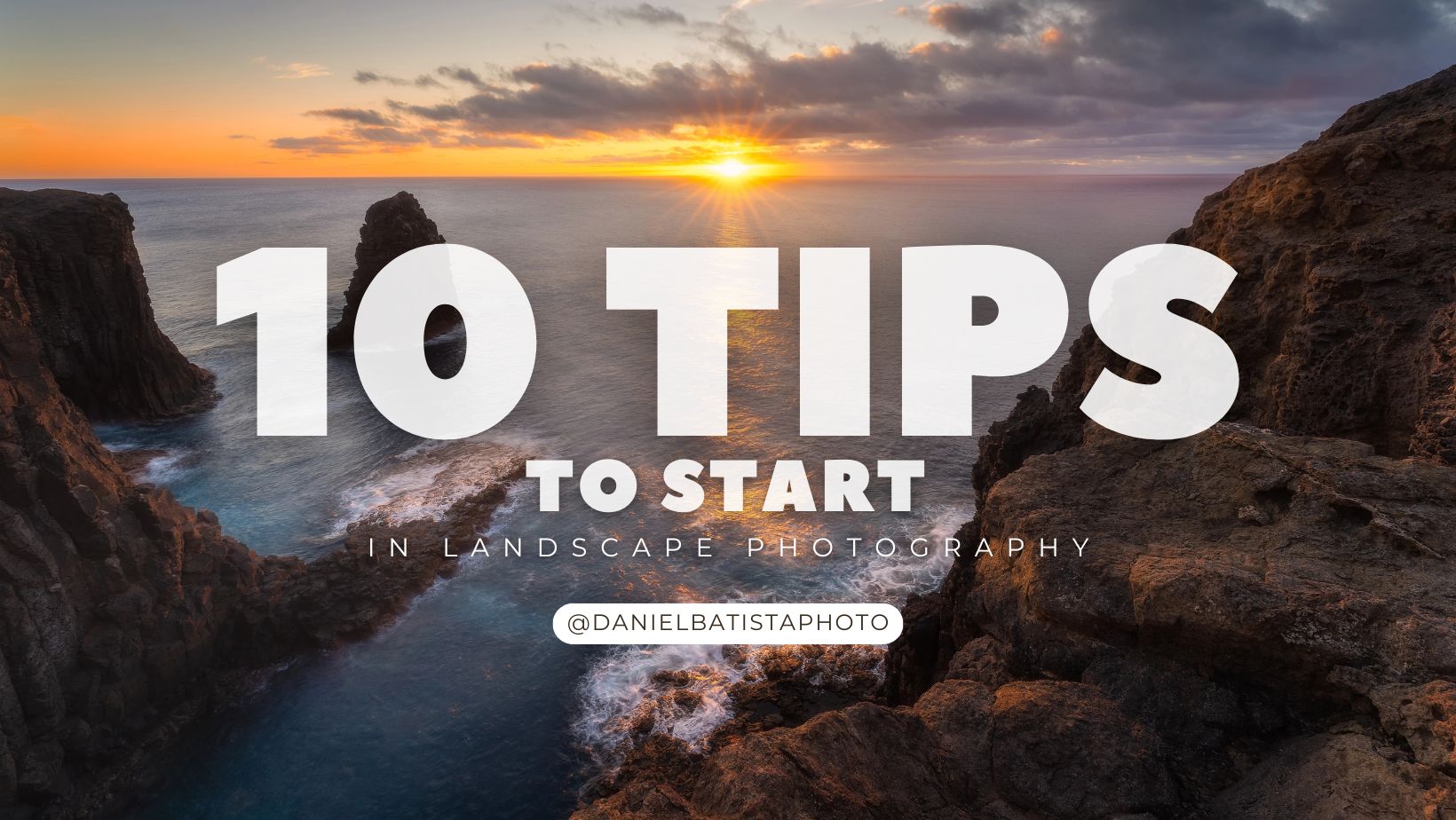
10 Tips to start in landscape photography
Introduction
Landscape photography is one of the most popular and satisfying types of photography. It’s also one of the most challenging, as you’ll need to be prepared for all kinds of weather conditions and times of day. Discover the breathtaking world of landscape photography with this short guide! Unleash your inner artist and capture the beauty of nature. From finding the perfect lighting to composing awe-inspiring shots, my top 10 tips will set you on the path to becoming a landscape photography maestro. Let the journey begin! Follow these TEN TIPS to help get you started on your path to becoming a successful landscape photographer.
1- Know when the light is good
The best time to take landscape photos is at sunrise or sunset. These times of day are known for their soft light, which makes for beautiful scenery. If you’re shooting during midday, you have to take really care because your photo could be washed out by harsh shadows and glare from the sun’s reflection on water or glass surfaces. A solution could be to try using a ND filter (a neutral density filter) when shooting during midday hours; this will allow more light into your shot without overexposing everything that’s happening around it. Another trick is simply moving farther away from where you think would make for an ideal shot; this usually means finding shade under trees or using buildings as barriers between yourself and direct sunlight.

Light is the heartbeat of landscape photography. Learn to embrace the golden hour, when the sun bathes the world in a warm glow. Explore the magic of soft, diffused light at dawn and dusk. Master the art of reading weather conditions to chase dramatic skies. Your images will come alive with the right light.
2- Find a subject that interests you and focus on that.
The first step to becoming a landscape photographer is finding a subject that interests you. If you’re not interested in the subject or scene, it will show in your photos. If there’s nothing that inspires you nearby and all of the subjects around you seem dull and boring, try looking at something else for inspiration–a painting or sculpture might spark an idea for how to shoot your landscape photos differently than others have done before.

3- Understand the effect of weather on photography.
It’s important to understand the effect of weather on photography. The weather can have a big impact on your photos, so it’s best to be prepared for anything. Low cloud cover can make for beautiful images or ruin them completely. As with everything in life, there are pros and cons to every situation–you just need to know what types of weather are best for landscape photography.
- Sunlight: Bright sunlight is great for shooting landscapes because it allows you enough light without being too harsh on your eyes or camera lens (if you’re using one). However, if there isn’t much shade available where you’re taking your photos then this may not be ideal either!
- Cloudy Conditions: Overcast days tend not only provide soft diffused light but also help reduce shadows which can sometimes make things look flat without any definition between objects. A positive thing about these type of days is that they can bring your photos some texture to the sky and can give a dark mood to the scene.

4- Learn to take advantage of backlighting.
Backlighting is a good tool to create artistic photos. The backlighting is essentially when the sun is behind your subject, creating a silhouette effect. This can be striking and make a subject stand out from its surroundings, or it can add drama to an otherwise ordinary photo. It’s important to note that backlighting isn’t always appropriate for every shot; if you’re trying to capture details of your landscape, then backlight may not be the best option since it will block out those details with darkness (or at least make them harder for viewers to see).

5- Look for patterns in nature that inspire you.
Landscape photography is all about capturing the beauty of nature. You can find inspiration for your next photo by looking for patterns in nature and reflecting on what you see. Search the symmetry: symmetrical shapes are pleasing to the eye, so look for them when you’re out shooting landscapes! A great example is trees that line up along a path or road–they’ll create an interesting shape that makes your photos stand out from others’. Also, look for contrast: contrast creates depth in an image through dark shadows and bright highlights. If there’s too much contrast between the foreground (what’s closest), middle ground (the mid-ground), and background (what’s farthest away), it may be difficult to see everything clearly at once; but if you find an area with good lighting conditions and just enough shadowing/highlighting then this will also help add interest to your landscape shots!

6- Take a lot of photos and edit later.
As Henri Cartier-Bresson said “Your first 10 000 photographs are your worst”. Don´t be scared and take multiple shots. Don’t worry about getting the perfect shot on the first try. Instead, just take a bunch of photos and choose one that’s good enough for your needs. You can always crop things in post-production if needed or adjust lighting levels if they’re off (although this will take some practice). Later, you can sift through your shots and enhance them using post-processing tools to bring out the true beauty of each scene.

7- Know your camera gear.
Always be ready with your camera gear. You should never leave home without it, especially if you’re going out into the field where there are no photo studios or other places to change lenses and batteries. Always carry a spare battery and memory card in case of failure, as well as an extra lens cloth so that you can clean off any dirt or smudges on your lens before every shot (and after each one!). If possible, invest in a tripod that folds up small enough to fit inside a bag or backpack–that way you’ll always have somewhere stable for long exposures. Also, try to know very well the specifications and features of your gear before shooting as an ideal situation, it can bring a difference in improving your techniques!

8- Learn to use a tripod
An important step to getting great landscape shots is learning how to use a tripod effectively. A tripod is essential for shooting long exposures in low light situations without using flash or high ISO settings that result in grainy photos with less detail. Also, it is relevant if you don´t want blurry images. While there are many different types of tripods available, here are some tips for choosing the right one:
- Use a sturdy tripod that can support your camera and lens combination well without sagging under its weight.
- Make sure it has enough leg extensions so you can adjust the height appropriately for each shot.
- Invest in good quality ball heads; they’re easier than pan heads because they allow you more flexibility when positioning the camera on top of them while still offering smooth control over how much tension is applied when panning left/right or tilting up/down during exposure times longer than 1 second. If money is an issue then consider buying a cheap model now while saving up until later when you have enough saved up – this way both options will still be available!

The best way to avoid camera shake is with a tripod–but if you don’t have one handy (or if you’re trying to capture something in motion), then use your shutter speed as low as possible while still getting a proper exposure (usually 1/30th second). This will blur any movement in your photo so that it looks smooth instead of choppy.
9- Landscape photography is not as simple as pointing and shooting
Patience is your greatest ally. Landscape photography demands a willingness to wait for the perfect moment. Patience allows you to observe changing light, weather conditions, and natural elements. It enables you to capture the essence of a scene with meticulous detail, resulting in awe-inspiring photographs that convey the tranquility and grandeur of the landscapes you encounter. You need to know how your camera works and how it operates in different conditions. One of the most important things you can do is learn how to use manual settings on your camera. This will help you get the exact exposure that you want for each shot, rather than relying on automatic modes that may not always get it right.

10- Get better
Expand your knowledge. Read books, e-books, blogs and articles about landscape photography, see videos, tutorials… Embrace the wealth of resources available. These valuable insights will equip you with techniques, composition ideas, and inspiration, helping you elevate your skills and capture breathtaking landscapes. Know the software you want to use to post-process your images. In my case, I use Lightroom and Photoshop. Be in contact with the software and try different things and techniques to see which one fit best for you! (** By the way, I offer online personalized classes for learning and mastering Photoshop and Lightroom **).

Conclusion
If you’re looking to get started in landscape photography, I hope these tips have helped you out. I know there are many more things you could learn and try, but the most important thing is just getting out there and taking pictures! If all else fails, remember that there’s always something beautiful in nature waiting for us if we just look hard enough. Some other quick tips are:
- Get to know your camera and its settings before heading out into the field.
- Research the location and the best time to capture the shot you’re after.
- Learn the basics of composition, such as the rule of thirds and leading lines.
- Invest in a sturdy tripod to keep your camera steady and avoid blurry shots.
- Experiment with different lenses to achieve different perspectives and effects.
- Take advantage of the golden hour – the hour after sunrise and the hour before sunset – for the best lighting.
- Use filters, such as a polarizing filter, to reduce glare and enhance color and contrast.
- Practice patience and wait for the perfect moment to capture the shot.
- Shoot in RAW format to give you more flexibility in post-processing.
- Take the time to review and learn from your photos to improve your skills and techniques.